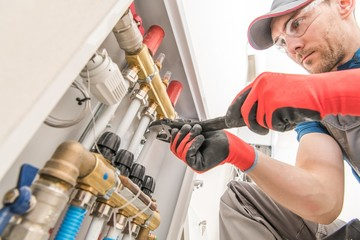
Water damage is one of the most common and expensive problems property owners face, often starting with issues that seem small at first. A slow leak, clogged drain, or worn-out pipe joint can gradually lead to structural damage, mold growth, and unexpected repair bills. While plumbing systems are designed to be durable, they require consistent care to function efficiently. Preventative maintenance is not only a smart investment but also a proactive way to protect your home or business from costly disruptions.
Understanding how plumbing systems work — and how to maintain them — can make a significant difference in preventing emergencies. Rather than waiting for a pipe to burst or a water heater to fail, routine Plumber inspections and small upgrades can help keep everything running smoothly. With the right strategies in place, property owners can extend the lifespan of their plumbing systems while minimizing the risk of water-related damage.

Why Plumbing Maintenance Matters More Than You Think
Many people underestimate the impact that minor plumbing issues can have over time. A tiny drip under a sink may seem harmless, but consistent moisture can weaken cabinetry, flooring, and surrounding structures. Similarly, unnoticed leaks inside walls or ceilings can lead to hidden mold growth, compromising indoor air quality and creating health concerns.
Regular maintenance allows small problems to be identified early, preventing them from escalating into larger and more expensive repairs. By monitoring your plumbing system and addressing potential warning signs, you reduce the chances of sudden breakdowns that could interrupt daily routines or business operations.
Common Causes of Water Damage in Plumbing Systems
Water damage can result from a wide range of plumbing issues, many of which are preventable with proper care. Understanding these causes helps property owners stay vigilant and respond quickly when problems arise.
Some of the most frequent contributors to water damage include:
- Leaking pipes or loose connections, which may develop due to corrosion or shifting structures.
- Clogged drains, causing water to back up into sinks, showers, or appliances.
- Worn-out seals and fixtures, allow water to escape slowly over time.
- Faulty appliances, such as water heaters or washing machines with aging hoses.
Recognizing these risks encourages a proactive approach to maintenance rather than reacting only when visible damage occurs.
Creating a Routine Plumbing Inspection Schedule
One of the most effective ways to prevent water damage is to establish a consistent inspection routine. Regular checks allow you to identify small issues before they evolve into larger problems. Even simple visual inspections can reveal signs of trouble, such as water stains, unusual odors, or changes in water pressure.
A basic inspection routine might include checking under sinks, around toilets, and near appliances for moisture or corrosion. Listening for unusual sounds, such as dripping or running water when fixtures are turned off, can also indicate hidden leaks. Incorporating these checks into your seasonal home maintenance schedule helps ensure that plumbing concerns are addressed promptly.
Maintaining Pipes to Avoid Hidden Leaks
Pipes are the backbone of any plumbing system, yet they are often overlooked until something goes wrong. Over time, pipes can weaken due to age, temperature fluctuations, or mineral buildup. Preventative care helps maintain their integrity and reduces the risk of unexpected bursts.
Consider implementing these pipe maintenance practices:
- Insulating exposed pipes, which helps prevent damage from temperature changes.
- Monitoring water pressure, ensuring it remains within safe levels to avoid stress on the system.
- Addressing minor corrosion early, before it spreads and compromises the pipe structure.
Taking these steps can significantly extend the life of your plumbing system and prevent hidden leaks that may otherwise go unnoticed.
Keeping Drains Clear and Functional
Clogged drains are more than just an inconvenience — they can lead to water overflow and long-term damage if ignored. Many clogs develop gradually due to grease buildup, soap residue, or debris accumulation. Regular cleaning and mindful usage habits play an important role in maintaining proper drainage.
Avoid disposing of materials that can create blockages, such as grease or fibrous waste. Using drain covers can help capture hair and debris before they enter the pipes. Periodic drain cleaning also helps maintain optimal water flow and prevents pressure buildup that could lead to leaks.
Water Heater Maintenance for Long-Term Protection
Water heaters are essential components of modern plumbing systems, yet they are often neglected until problems arise. Sediment buildup inside the tank can reduce efficiency, increase energy consumption, and lead to overheating or leaks. Routine maintenance helps ensure that water heaters operate safely and efficiently.
Flushing the tank periodically and checking for signs of rust or unusual noises can help identify issues early. If your water heater shows signs of wear, addressing them promptly can prevent unexpected breakdowns and potential water damage.
Monitoring Fixtures and Appliances
Fixtures and appliances connected to the plumbing system can be major sources of leaks if not properly maintained. Faucets, dishwashers, washing machines, and refrigerators all rely on water connections that may loosen or deteriorate over time.
Regularly inspect hoses and connections for signs of wear or cracking. Replacing old hoses with newer, more durable options can reduce the risk of sudden leaks. Ensuring that appliances are properly installed and maintained helps minimize stress on the plumbing system and prevents unnecessary water exposure.
The Role of Professional Plumbing Inspections
While routine DIY checks are valuable, professional inspections offer a deeper level of assessment. Plumbing professionals have the tools and expertise to identify hidden issues that may not be visible during a basic inspection. Advanced diagnostic equipment can detect leaks behind walls or under flooring, helping prevent damage before it becomes severe.
Scheduling periodic professional inspections ensures that your system remains in optimal condition. These evaluations often include pressure testing, pipe assessments, and recommendations for upgrades that improve efficiency and safety.
Preventative Upgrades That Reduce Risk
Modern plumbing technology offers a range of upgrades designed to minimize water damage risks. Investing in preventative solutions can provide long-term benefits and peace of mind.
Some effective upgrades include:
- Leak detection systems, which alert you when unusual water flow is detected.
- Automatic shut-off valves, preventing excessive water loss during emergencies.
- High-quality fixtures, designed to reduce wear and improve durability.
These upgrades not only enhance safety but also contribute to improved water efficiency, making them a smart choice for both homes and businesses.
Recognizing Early Warning Signs of Plumbing Trouble
One of the best ways to prevent costly water damage is to stay alert to early warning signs. Changes in water pressure, unusual odors, or unexpected increases in utility bills can indicate hidden leaks or system inefficiencies. Addressing these signals quickly helps prevent larger problems from developing.
Watch for water stains on ceilings or walls, damp flooring, or persistent musty smells. Even small changes in how your plumbing system performs can provide valuable clues about potential issues. Acting promptly when these signs appear can save time, money, and stress.
Building Good Plumbing Habits for Everyday Use
Preventative maintenance isn’t limited to inspections and repairs — it also involves daily habits that support a healthy plumbing system. Simple actions, such as using fixtures responsibly and avoiding harsh chemicals, can make a significant difference over time.
Educating household members or employees about proper plumbing usage helps prevent accidental damage. For example, encouraging mindful water usage and avoiding flushing inappropriate items down toilets reduces the likelihood of clogs and system strain.
Long-Term Benefits of Preventive Plumbing Care
Consistent maintenance provides more than just protection against water damage. It also improves overall system efficiency, reduces energy costs, and enhances property value. A well-maintained plumbing system operates more smoothly, providing reliable water flow and minimizing disruptions.
Preventive care also fosters peace of mind. Knowing that your plumbing system is regularly inspected and properly maintained allows you to focus on daily activities without worrying about unexpected emergencies.
Final Thoughts on Preventing Water Damage Through Maintenance
Preventing costly water damage starts with a proactive mindset and a commitment to regular plumbing care. By understanding the risks, implementing routine inspections, and investing in preventative upgrades, property owners can significantly reduce the chances of leaks, bursts, and unexpected repairs.
From maintaining pipes and drains to monitoring appliances and recognizing early warning signs, every step plays a role in protecting your space. Plumbing maintenance is not just about fixing problems — it’s about creating a safe, efficient environment that supports long-term comfort and reliability. With the right approach, you can safeguard your property and avoid the stress and expense that often accompany preventable water damage.