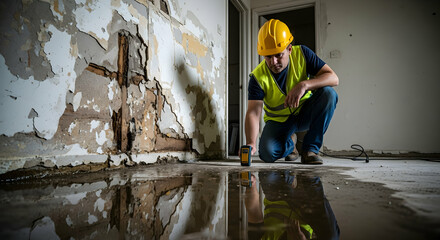
Water damage can be extremely expensive to repair, particularly if left unattended. It can lead to mold growth, weaken drywall and warp flooring, and reduce property value.
Homeowners should be aware of the factors that affect restoration costs to better prepare themselves for unexpected expenses and work effectively with their insurance companies. Contact Water Damage Remediation Salt Lake City for more information.
The Extent of the Damage
When water damage occurs, it can be a major nuisance and even dangerous to your health. If it’s not addressed quickly, the damages may worsen over time and cause structural issues or mold growth. That’s why it’s important to have an understanding of the water restoration process so that you can take quick action when a problem arises.
The first step in the water damage remediation process is called mitigation. Mitigation is the immediate steps taken to minimize the damage caused by stopping the water flow and removing any excess moisture from the affected areas.
This can include things like opening flood doors, turning off the water supply, and putting in place temporary barriers to keep the water from spreading. It also includes cleaning up and disposing of any personal belongings that were in the area that was affected by the water.
A professional assessment of the water damage is done to determine what repairs are needed. The assessment is then used to create a detailed water remediation plan. This is where the damage is estimated both financial (like repair bills and medical expenses) and non-financial (like pain and suffering). This helps ensure that all aspects of the water damage are covered and that a comprehensive settlement is reached.
If the source of the water is contaminated, it may be necessary to remove any building materials that have been damaged. This is especially true if the water damage was caused by gray or black water, which can be traced back to sources like sewer pipes. The removal of these materials can also be helpful in preventing the spread of contaminants to unaffected areas.
Once the water has been removed and any affected materials have been discarded, the next step in the process is drying and dehumidification. This can include circulating warm dry air and regulating humidity to prevent the development of mold. It can also involve sanitizing the affected materials and contents to reduce the risk of contamination and odors.
Once the building materials and contents have been dried, they can be restored to their original state. This can include minor restoration work, like patching drywall and replacing baseboards, or it can be more substantial repairs, such as restoring the HVAC system, rebuilding walls and ceilings, and replacing flooring.
The Category of Water
Water damage can quickly destroy the integrity of your home, create health risks, and lead to costly structural issues. It’s important to hire a professional water damage restoration company to mitigate the effects of unwanted moisture intrusions as soon as possible to minimize the risk of secondary damage. If left untreated, even a small leak can compromise your home’s foundation, cause mold to grow and damage personal belongings. The sooner your home is restored, the more money you’ll save in the long run.
The severity of the moisture problem determines how much work will be required to dry, clean and restore your home. Your water remediation expert will start by assessing the situation to determine how bad the damage is and which steps need to be taken next. They’ll use different systems to categorize the extent of the damage, including Category and Class.
Categories describe the type of water and its potential to cause health hazards or other problems. Clean or sanitary water, such as water from a burst pipe or overflowing toilet, is Category 1. Grey water, which includes soap, food particles, or organic matter, may be Category 2. This typically results from flooded basements, clogged bathtubs and sinks, washing machine leaks, or appliance malfunctions that involve water supply lines.
Black or contaminated water is considered Category 3 and poses significant health hazards. This could include water from sewage backups, chemical spills, or toxic mold. It’s typically unsafe to touch or breathe, and any belongings affected by this type of water must be disposed of immediately. Your water remediation expert will be able to tell you whether any of your personal belongings can be saved.
Once your team understands the severity of the water problem, they’ll implement a structured mitigation process. This usually includes high-powered extraction equipment, dehumidification devices, air movers, and monitoring tools to ensure that all of the moisture is removed from the property. Depending on the level of contamination, your water damage remediation experts might also need to remove and replace building materials like carpet pads or drywall.
The Affected Materials
Water remediation is a crucial step that ensures a sanitary environment where restoration professionals can begin work to return properties back to their pre-loss state. It involves the cleaning, drying, and sanitizing of all affected materials to prevent further damage from mold, mildew, and bacteria. It also involves removing and properly disposing of any items that can no longer be saved.
The first step of the water remediation process is to inspect and assess the extent of the damage. This includes identifying the source, water contamination category, and water damage class. This information will determine what steps the professional needs to take to restore your home or business. For example, class 1 water damage typically involves a small area of wet material with minimal porosity, while class 2 damage usually affects a larger area of porous material such as carpet and drywall. In contrast, class 3 damage often involves extensive saturation of wet materials with low evaporation rates such as plaster, concrete, and hardwood.
Once the inspection has been completed, the next step is to remove any standing water from the property. This is done through extraction using industrial vacuums and submersible pumps. This step is important because it can prevent further damage to the property and its contents and reduce the risk of health hazards from mold, bacteria, and other pathogens.
Finally, the property must be dried and dehumidified to prevent any structural problems or potential secondary damages. This is usually done using air movers and dehumidifiers, as well as desiccant dehumidifiers in cold temperatures.
While it may seem like the water remediation and restoration processes go hand-in-hand, they are actually two separate processes with distinct goals. Mitigation is the first step and focuses on minimizing the initial damage, while remediation is the cleanup work that enables restoration experts to begin their restoration work.
The Labor Costs
Water damage restoration costs can quickly add up. Understanding the factors that influence the price of repairs is key to avoiding surprises and getting the best value.
The size of the affected area is one of the most important cost drivers. Larger areas require more time, materials and equipment to dry out and make repairs, resulting in higher costs.
The type of water is another factor that significantly impacts cleanup costs. Clean water from supply pipes and rain is the cheapest to remove, while grey water from appliances and black water from sewage backups or floods require more advanced extraction and disinfection procedures. The more contaminants present in the water, the higher the cleanup costs.
Material types also play a role in restoration costs. Hardwood floors, drywall and carpeting all require different restoration techniques and have varying repair costs. Similarly, moisture exposure can damage electrical systems and appliances, requiring additional costly repairs.
Lastly, the longer an area of your home remains saturated with water, the more extensive the damage will be. Water that sits for an extended period of time seeps deeper into materials, causing warping, rotting and mold growth. This can result in the need for complete replacement of materials like drywall, insulation and flooring.
Local climates also affect restoration costs. Severe storms and flooding in coastal areas, and ice accumulation in the Northeast all increase the cost of emergency water damage repair services.
Water damage remediation is a complex process that requires a high level of skill and training. Because of this, hiring a professional water damage restoration company is highly recommended. Reputable companies will assess the scope of the problem, take moisture readings and develop a work plan. This will include a detailed breakdown of all labor and material costs to repair your property to pre-loss condition. They will also provide detailed documentation of all restoration work to ensure accurate insurance claims. Depending on the severity of your water damage, you may need to consult with an insurance adjuster to assist in filing a claim. The adjuster will review the claim to determine if it is valid and help you get the maximum settlement for your repair costs.